How to Arrange Group Transportation for Seamless Travel Experiences
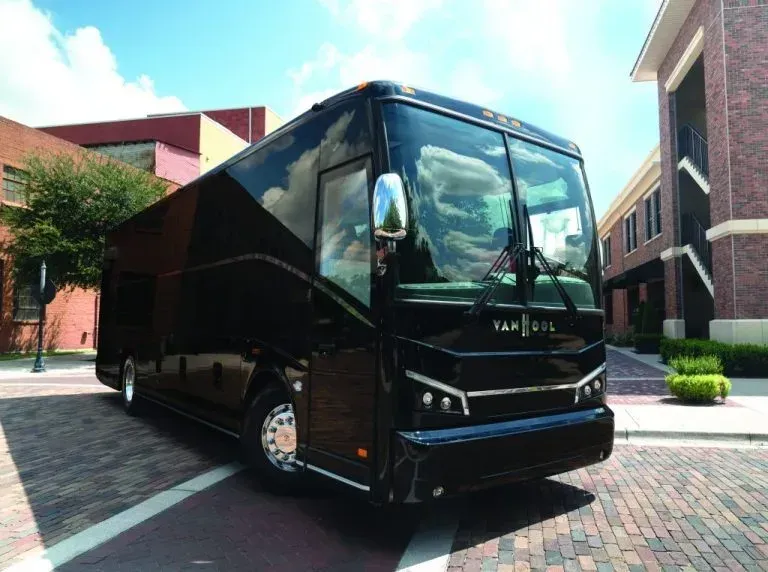
Planning transportation for a large group can easily become a demanding process when various schedules, pickup arrangements, and travel expectations need to be coordinated. Whether the event includes business functions, family occasions, group excursions, or special celebrations, making sure everyone arrives together and on schedule requires careful preparation. A structured transportation strategy helps reduce uncertainty, avoid delays, and enhance the overall experience for all travelers. By understanding the key elements of group transportation coordination, organizers can create a seamless travel experience from beginning to end.
When large parties travel together, transportation plays a role that goes beyond simply transporting passengers from place to place. It contributes meaningfully to the success of the overall experience. Proper coordination helps maintain schedules, improves communication among participants, and contributes to a more comfortable journey. At A1 Quality Express Limousine, we know that well-planned transportation solutions help groups enjoy a confident and hassle-free travel experience.
Begin Transportation Planning Early
Effective group transportation starts with advance preparation. Leaving transportation planning too late may restrict options and complicate efforts to address specific group needs. Planners should start by identifying passenger counts, travel schedules, anticipated departure times, and destination needs. Collecting this information in advance provides a strong basis for transportation plans that align with the event schedule.
Early preparation get more info helps organizers identify possible challenges before they create disruptions. Event schedules, transportation logistics, accessibility considerations, and roadway conditions all play a role in shaping transportation plans. Addressing these factors in advance helps organizers establish a transportation plan that supports smooth movement. Careful planning regularly produces more efficient travel experiences with fewer complications.
Understand the Specific Size and Needs of the Group
A critical transportation planning task is evaluating the number of participants and their specific requirements. Precise attendance figures help support proper vehicle selection and reduce the risk of overcrowding or unused capacity. Coordinators should establish participant counts promptly and keep them updated throughout the planning process.
Beyond passenger numbers, it is important to consider individual needs within the group. Some travelers may require additional luggage space, while others may need special accommodations or assistance. Identifying these needs enables organizers to customize transportation solutions effectively. Obtaining comprehensive details helps planners deliver greater comfort and efficiency throughout the trip.
Design a Well-Organized Transportation Schedule
A detailed transportation plan works as a reference point for everyone involved. Planners need to map out departure schedules, pickup points, travel time estimates, arrival targets, and designated stops. Well-structured scheduling minimizes confusion and ensures all participants know their exact timing and place. Strong consistency and clear planning are vital when organizing transportation for bigger groups.
Clear communication is essential for making transportation schedules successful. Travelers should receive full transportation instructions before the event starts. Sharing itineraries through email, messaging platforms, or printed materials helps keep everyone informed. Clear expectations help transportation operations function more effectively and smoothly.
Establish Centralized Pickup and Drop-Off Locations
Handling several pickup points can add unnecessary complications to large-group travel. When possible, coordinators should use unified pickup and drop-off points for participant convenience. Combining meeting points simplifies boarding procedures and reduces delays from multiple stops. It simplifies communication processes and boosts overall coordination effectiveness.
Central meeting points also help ensure all travelers are accounted for prior to departure. Group coordinators can confirm attendance, provide updates, and address concerns before departure. An organized system helps ensure readiness and schedule adherence. Well-defined meeting areas contribute to efficient and organized transportation.
Maintain Strong Communication Throughout Coordination
Clear communication is among the most important elements of successful transportation planning. Travelers should be consistently informed about timing, pickup guidance, expectations, and updates. Accurate communication reduces confusion and helps passengers prepare properly. Strong communication supports both efficiency and passenger satisfaction.
Organizers should establish reliable methods for sharing updates before and during the event. Messaging platforms, email alerts, and assigned contacts help distribute information efficiently. In the middle of any successful transportation plan, communication remains the connecting element that keeps everyone informed and aligned. Regular updates help maintain trust and reduce interruptions during travel.
Plan for Unexpected Circumstances
Even the most organized transportation plans can experience surprises. Weather issues, traffic delays, schedule changes, and participant lateness may require fast decisions. Adding flexibility to plans helps coordinators respond efficiently to unexpected issues. Proper preparation helps maintain stability despite evolving circumstances.
Emergency planning should involve alternate communication methods, route options, and responsible contacts. Established procedures help minimize stress and ensure structured responses to challenges. Proactive planning allows transportation operations to continue efficiently even when adjustments become necessary.
Put Passenger Comfort and Convenience First
Passenger comfort is essential to a positive transportation experience. Groups traveling together for long periods require strong focus on comfort. Proper seating arrangements and organized boarding improve the overall journey atmosphere. A comfortable journey helps travelers arrive refreshed and ready.
Convenience enhances the effectiveness of transportation arrangements. Simplified boarding processes, clear instructions, and efficient scheduling reduce unnecessary complications for passengers. Well-structured transportation lets passengers enjoy the occasion without concern. A well-organized journey enhances the success of the entire event.
Collaborate with Experienced Transport Providers
Handling group transportation requires managing many elements, making expert support important. Expert providers are capable of handling schedules and coordinating group movement effectively. Their expertise helps planners manage complex logistics while maintaining organized and dependable operations.
Skilled transport professionals bring practical knowledge that enhances coordination. Their familiarity with group travel allows them to anticipate challenges and recommend practical solutions. Professional assistance enables organizers to focus on the occasion while transport is handled efficiently.
Treat Transportation as Part of the Overall Experience
Transportation should be viewed as an extension of the event rather than simply a method of travel. Organized transportation helps passengers enjoy and engage before the event begins. Effective transportation planning improves the overall experience and fosters a professional atmosphere.
At A1 Quality Express Limousine, we understand that successful transportation relies on planning, communication, and customer care. With the right approach, coordinating large-group travel can be simple and efficient. Focusing on planning, organization, and comfort ensures a seamless travel experience for any occasion. We are proud to provide seamless travel experiences that give passengers confidence and ease.